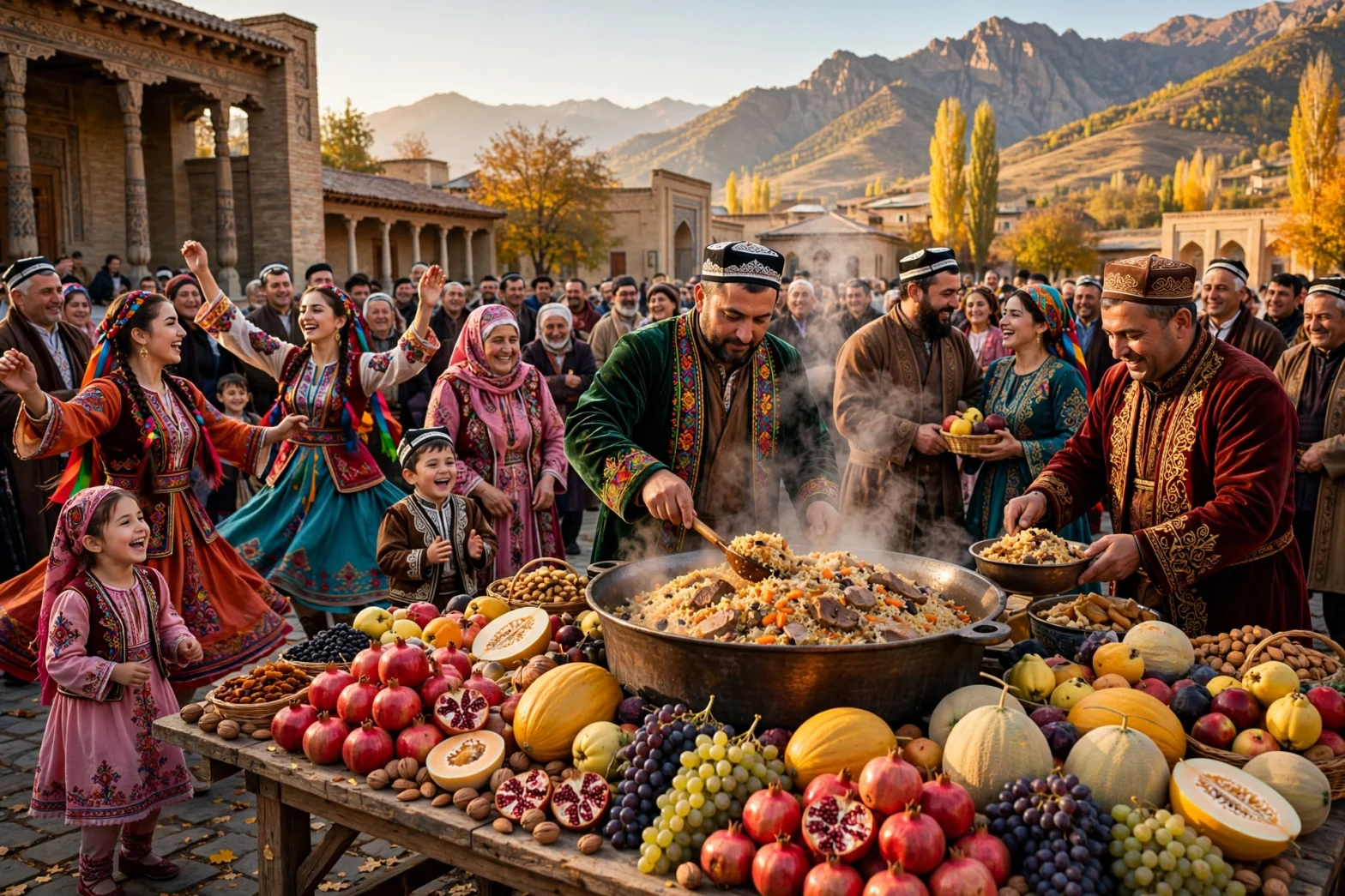
TESOL Worldwide Image of the Day: Tajikistan

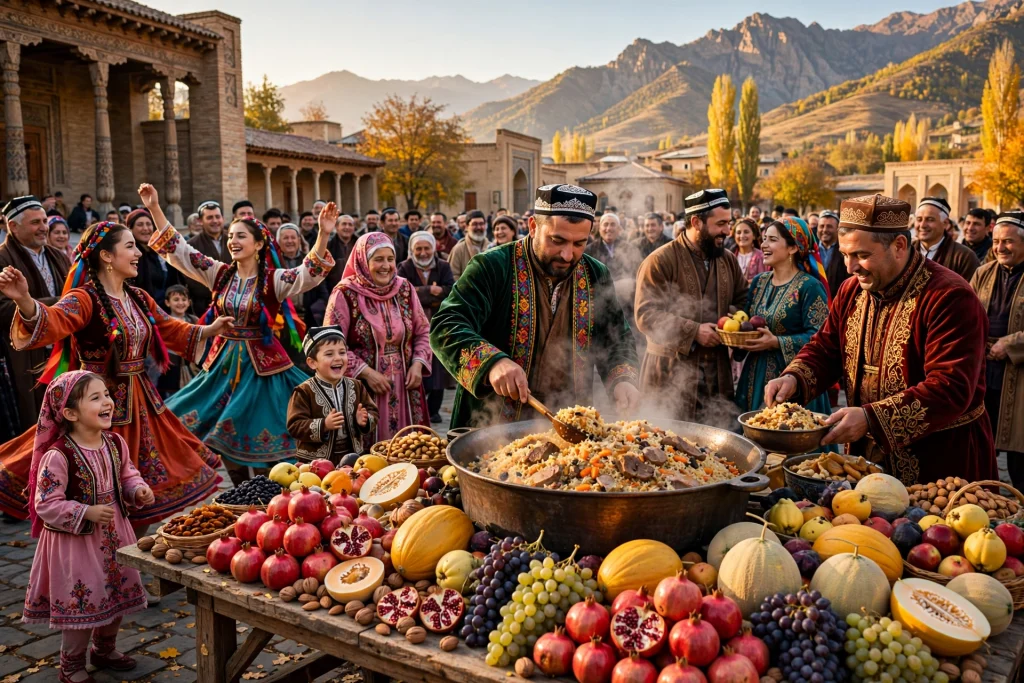
Under the golden light of autumn in Tajikistan, the ancient harvest festival of Mehrgon turns a sunlit square into a feast of pomegranates, melons, grapes, and giant kazans of steaming pilaf — chefs in embroidered robes and skullcaps cook thirty varieties of the national dish while folk dancers and laughing children celebrate the season’s abundance. Rooted in pre-Islamic Persian tradition and revived as a national holiday, Mehrgon gathers whole communities to share food, music, and gratitude for the harvest. Teach English in Tajikistan

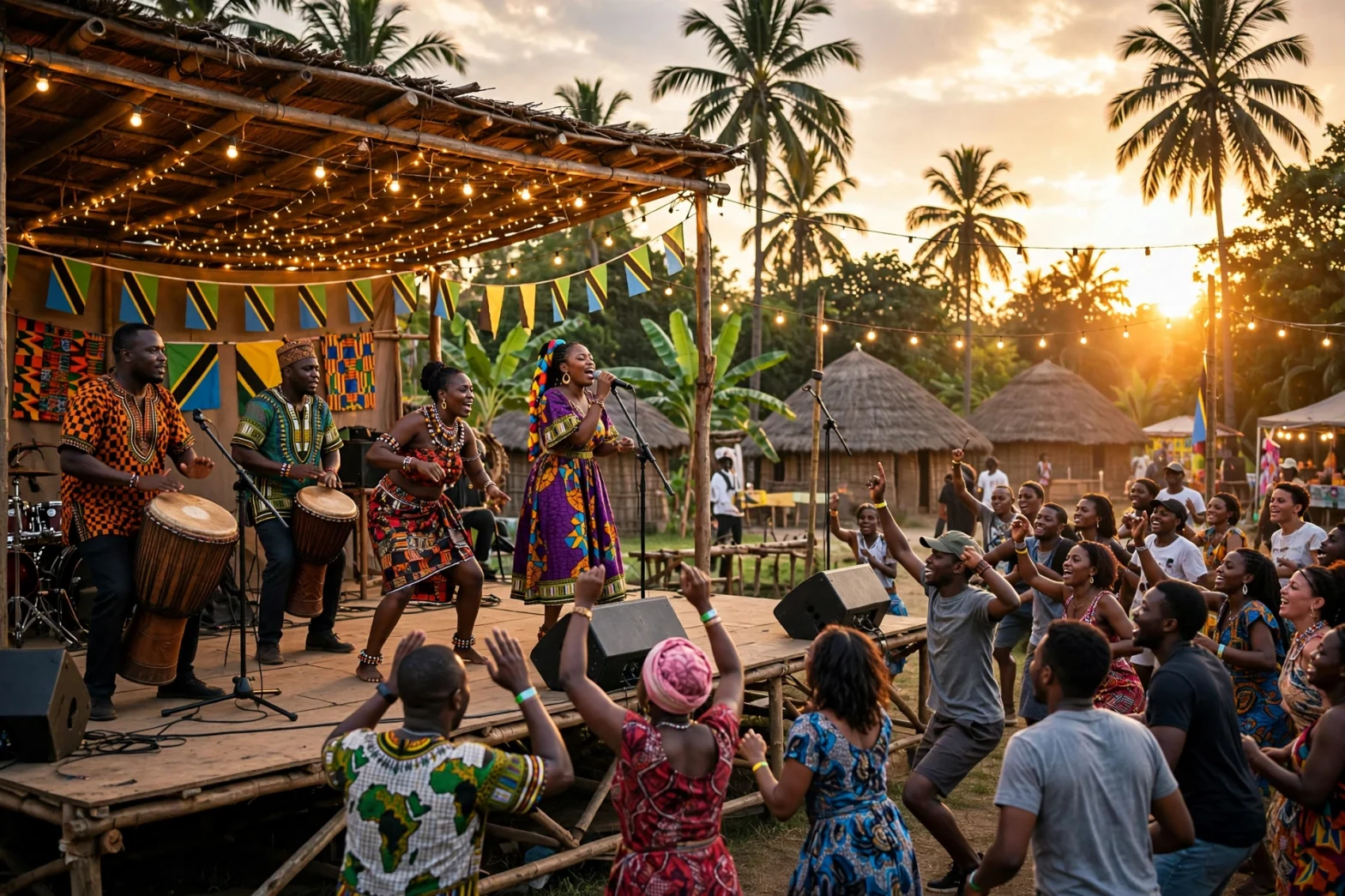
TESOL Worldwide Image of the Day: Tanzania

As the sun sets over Dar es Salaam, the Village Museum stage comes alive with ngoma drums, soaring voices, and a dancing crowd — the Marafiki Music Festival, East Africa’s fast-growing celebration of live music, fills each October with local and international artists performing 100% live sets alongside professional workshops for musicians. Organized by ASEDEVA, the festival also moves to Firefly in Bagamoyo for its closing night, proving that music builds friendships across cultures. Teach English in Tanzania

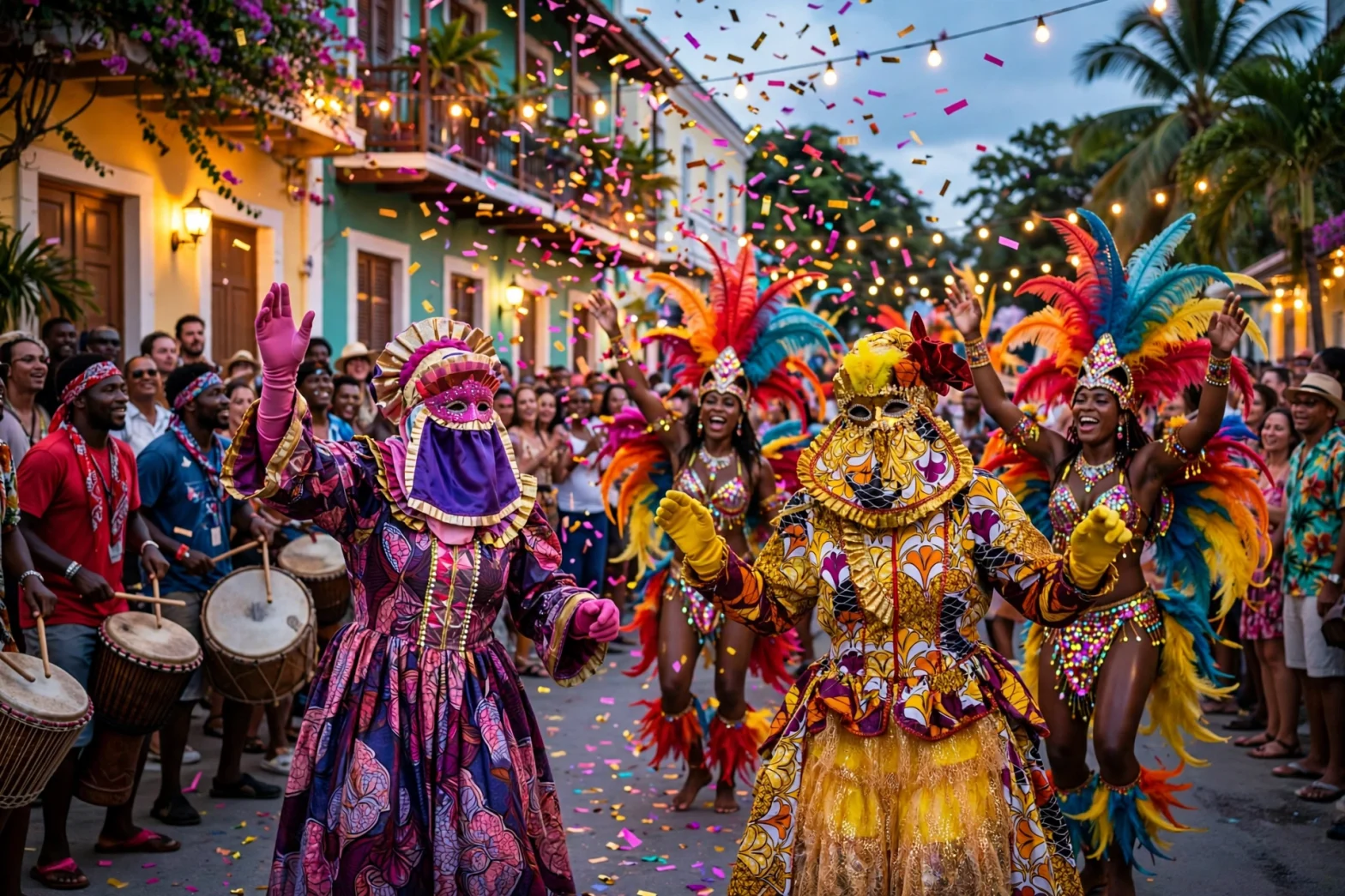
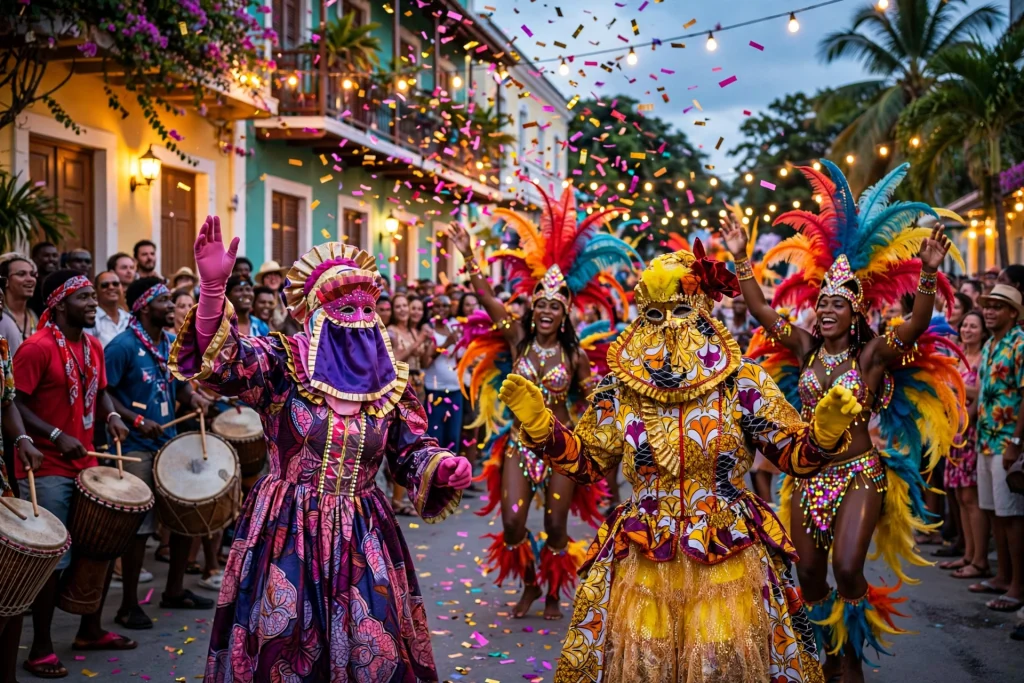
TESOL Worldwide Image of the Day: French Guiana

Confetti drifts through the dusk air of Cayenne as the famous Touloulou masquerade figures glide past in their full-body patterned robes and masks, while feathered Afro-Caribbean dancers spin to pounding drums — the Guianan Carnival, said to be the longest carnival in the world, running from Epiphany to Mardi Gras with its legendary Paré-masqué balls and street parades. It is a celebration where joy, satire, and freedom have been dancing together since colonial days. Teach English in French Guiana

TESOL Worldwide Image of the Day: Palau

Fireworks crack open the dusk over Koror’s lagoon, and the whole island seems to be dancing. Palau’s Independence Day — October 1st, the day this Pacific nation stepped into the world on its own in 1994 — fills the capital with parades, boat races, and the rolling thunder of drums, dancers in hibiscus-threaded dress swaying beneath a sky stitched with blue-and-gold flags, the Japan-Palau Friendship Bridge glowing gold behind them. It is the loudest, proudest night of the year on these Rock Islands, and for everyone watching, it is impossible not to fall a little in love with Palau. Teach English in Palau

TESOL Worldwide Image of the Day: Argentina

Arms thrown skyward in pure euphoria, a dancer in a turquoise-and-gold feathered costume leads her comparsa down the Corsodromo as confetti rains over the cheering crowd — this is the Carnaval del Pais in Gualeguaychu, Argentina, one of the largest carnivals in Latin America, held every weekend through January and February, where rival dance troupes spend all year crafting their costumes and floats for the summer parades. Teach English in Argentina with American TESOL Institute and live moments like this yourself.

Teaching English

Teaching English to Speakers of Other Languages, or TESOL, is the method and practice of teaching the English language to people whose first language is not English. This can be done in English-speaking countries, where individuals may need to learn English to function in their everyday lives, or in non-English-speaking countries, where English is often taught as a second language in schools or for purposes such as business or tourism. TESOL has various techniques and methodologies that are specialized to meet the unique needs of learners, who often come from diverse linguistic and cultural backgrounds. It often encompasses teaching all four language skills: listening, speaking, reading, and writing, as well as grammar, vocabulary, and pronunciation. There are various qualifications that a person can get to teach TESOL, such as a certificate, diploma or masters in TESOL. These programs usually cover both the theoretical aspects of language teaching and practical teaching experience. TESOL is similar to TEFL (Teaching English as a Foreign Language) and TESL (Teaching English as a Second Language), but while TEFL is specifically for teaching English in countries where English is not the main language, and TESL is for teaching English in English-speaking countries, TESOL encompasses both contexts.

Teaching English in Spain

[mwai_chatbot ai_name=”AmTESOL AI: ” start_sentence=”Would you like to know more about living, working, and teaching English abroad in Spain? ” fullscreen=”1″ copy_button=”1″]

Teaching English abroad in Spain can be a rewarding experience for those who are looking to immerse themselves in Spanish culture while also gaining valuable teaching experience. Here are a few steps to help you get started: 1. Obtain TEFL certification: Most schools in Spain require English teachers to have a TEFL (Teaching English as a Foreign Language) certification. There are many online and in-person courses available to help you obtain this certification. 2. Research job opportunities: There are many language schools, academies, and private tutoring opportunities throughout Spain. Research these opportunities online or through TEFL job boards to find a position that fits your interests and qualifications. 3. Prepare your documents: Make sure you have all necessary documents, such as your passport, TEFL certification, and any relevant degrees or teaching experience, organized and ready to provide to potential employers. 4. Apply for a visa: Depending on your nationality, you may need to apply for a visa to work legally in Spain. Check the requirements for your specific situation and begin the visa application process as early as possible. 5. Network and make connections: Reach out to other English teachers in Spain, join online forums and groups, and attend networking events to connect with others in the teaching community. Building a support system can help you navigate the challenges of living and working abroad. 6. Brush up on your Spanish: While fluency in Spanish is not always required for teaching English in Spain, having a basic understanding of the language can help you communicate with students, colleagues, and locals more effectively. 7. Prepare for cultural differences: Living and working in a new country can be a big adjustment, so it’s important to be open-minded and adaptable. Embrace the cultural differences and immerse yourself in the Spanish way of life to make the most of your experience teaching abroad. Overall, teaching English in Spain can be a fantastic way to explore a new culture, improve your teaching skills, and make lifelong memories. With proper preparation and a positive attitude, you can have a successful and fulfilling experience teaching abroad in Spain.

Explore Panama while Teaching Abroad

You have probably heard of the Panama Canal, but Panama has much more to experience than this great structure. You can also travel to beautiful tropical islands, explore the rainforest, and introduce yourself to native cultures. Panama has incredible museums, such as the colorful BioMuseo, which has exhibits and also a biodiversity park. Also visit Panama Viejo and see the old ruins of Panama City, which date back to the 1500s.  The Panama Rainforest Discovery Center is the best way to explore the rainforest with walking trails and information on the various birds and wildlife.  Find more information about exploring Panama here.

American TESOL offers a certification online in teaching English so you can teach abroad, travel, and explore worldwide. Learn more about Teaching English in Panama with TESOL Certification.

Visiting Krakow, Poland with Magdalena Dygala

This week we invited language teacher, Magdalena Dygala (@magdaspring), to introduce us to Radom, Poland.

Shelly: Which landmark is a must for visitors?

Magdalena Dygala: The Old Town in Krakow with one of the biggest medieval squares in Europe is definitely a must for tourists visiting Poland. You can start your exploration from the historical path of the Polish kings – ‘Royal Route’ and go to the Wawel Castle where you can admire Leonardo da Vinci’s painting ‘Lady with an Ermine’. You can also have a nice walk in cobbled streets full of majestic monuments, visit atmospheric cafes and museums.

Shelly: What are popular local dishes?

Magdalena Dygala: Dumplings (Polish PIEROGI) which are made of dough filled with a variety of fillings, for example: meat, sauerkraut and mushrooms, seasonal fruit, buckwheat, sweet cottage cheese or boiled potatoes with fried onions. Check out these dishes here, https://migrationology.com/best-polish-foods.

Shelly: Describe an activity your English learners enjoy!

Magdalena Dygala: Music can serve as a great source of inspiration for your students, evoking wonderful memories and emotions, which is why I love involving my students into creative wrriting activities with music. I ask my students to close their eyes and imagine the best day in their life. After listening to a song (for example ‘Over the rainbow’ by Israel Kamakawiwo’Ole) , they can draw a picture of what they’ve just imagined, share it with their partner and write a story. These are some of my students’ videos:
https://www.myetpedia.com/using-etpedia-with-trainee-teachers
https://www.myetpedia.com/ways-to-teach-english-through-music

Thank you, Magdalena Dygala, for introducing us to Radom, Poland!

Magdalena Dygala

Magdalena (@magdaspring), bio
I’m a teacher trainer at the University of Technology and Humanities in Radom, Poland and also an EFL teacher at Slowacki high school. I’ve been involved in a PEACE project – Cross Cultural Understanding for the last 10 years, hosting many trainee teachers from around the world in my high school every year.
In 2014 I won the international competition – Headway Scholarship and had a chance to participate in a 2-week professional development course at Exeter College in Oxford. My main interests include: boosting creativity in the language classroom through music and songs, game like activities as well as digital tools. I love reading English books, listening to rock music and travelling. I occasionally blog for ETpedia (created by John Hughes).
She blogs at https://www.myetpedia.com/elt-blog

Learn more about teaching English abroad in Krakow, and teaching English abroad in Poland with American TESOL Certification.

Celebrate Thrissur Pooram While Teaching English Abroad

India is an exciting place to teach English, and this part of the world will keep you constantly amazed by the culture, history, and landscape. On May 5th you can celebrate Thrissur Pooram, the Elephant Festival, which takes place in Kerala, India at the Vadakkunathan Temple. UNESCO has deemed Thrissur Pooram as one of the most spectacular festival event on Earth with amazing parades featuring exquisitely dressed elephants, the pandi melam music (temple orchestra), amazing fireworks, yak-tail fans, and parasols (umbrellas).

American TESOL offers ways to receive a certification in teaching English so that individuals can explore spectacular places worldwide. Learn more about living and working in Kerala, and TESOL Certification to teach English in India.